Door stuck open
Treat security/exposure context according to the company’s urgent-call policy.
 AiCallAgents
Identify urgent access and security situations, collect the door and property context, and follow your approved dispatch or booking path.
From $249/month · 500 minutes included · $999 one-time launch
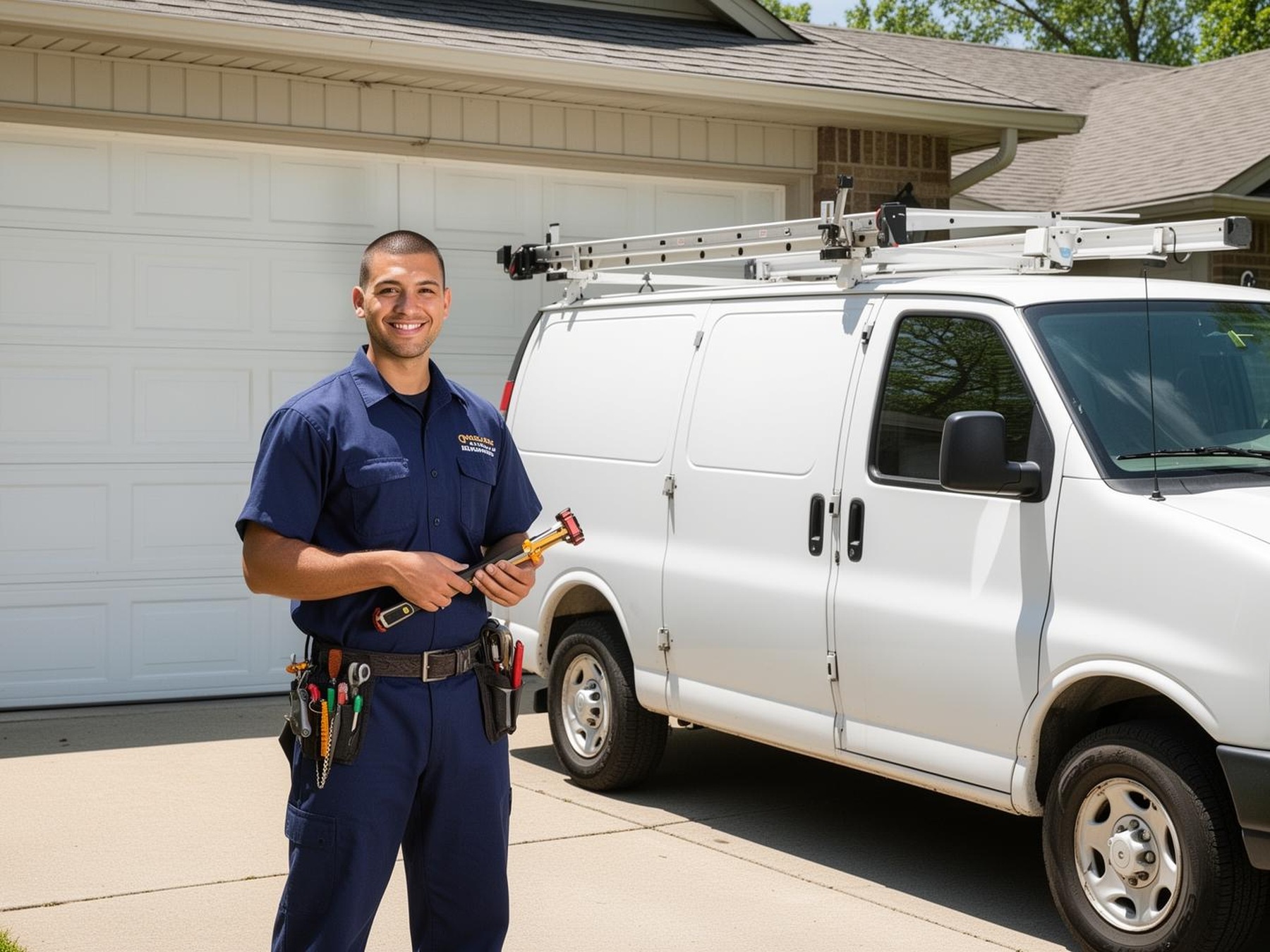
It should distinguish a door stuck open, stuck closed or visibly damaged from routine maintenance or installation requests. The receptionist can collect the address, property type, door count and the caller’s description, then book or escalate under the company’s policy. It should not coach callers through spring, cable or other hazardous repairs.
The useful information and next step depend on what the caller actually needs.
Treat security/exposure context according to the company’s urgent-call policy.
Capture whether access to a vehicle or property is blocked and route appropriately.
Record the caller’s description without recommending DIY handling of high-tension components.
Collect project context and route to an estimate or sales appointment.
A strong implementation reduces the number of ordinary calls that depend on someone stopping work to answer a phone. It should capture the details your team uses, give only approved information, and move each caller toward a real next action. If a downstream system is unavailable or the conversation moves outside the approved workflow, the caller should get a clear fallback instead of a fabricated answer.
Test ordinary requests, an after-hours call, an out-of-area caller, a caller who is unclear about what they need, a request for a human, a failed booking attempt and at least one situation that must never be automated. Inspect the appointment, transfer, message or callback result—not just the transcript.
The receptionist can treat that as an urgent security-related intake, capture the location and condition described, and use the on-call or callback process your company approves.
No. High-tension components and uncertain mechanical problems should not receive improvised repair instructions.
Yes. Estimate and installation requests can use a separate qualification and scheduling path.
Only if a real, approved dispatch rule provides that promise. Otherwise it should state the next available or escalation process accurately.
Use the scenarios your team handles every week and verify how the workflow responds before your primary phone line depends on it.