The AI answering service market has exploded, with dozens of vendors promising to revolutionize your customer communications. But not all solutions are created equal—and choosing the wrong one can cost you thousands in lost leads and wasted implementation time.
This comprehensive guide will help you evaluate AI answering services objectively, ask the right questions, and select a solution that actually delivers ROI for your business.
The 12 Critical Features to Evaluate
1. Voice Quality and Naturalness
Why it matters: Your AI agent is the first impression many customers will have of your business. Robotic, unnatural voices damage trust and increase hang-ups.
What to look for:
- Natural speech patterns with appropriate pauses
- Emotional range (can sound empathetic, enthusiastic, professional)
- Multiple voice options to match your brand
- Voice cloning capabilities for custom voices
Red flag: If you can immediately tell it's a robot, your customers will too.
Test it: Request a demo call using your actual business scripts.
2. Conversation Intelligence
Why it matters: The AI needs to understand context, handle interruptions, and respond intelligently—not just match keywords to pre-written responses.
What to look for:
- GPT-4 or equivalent large language model
- Ability to handle multi-turn conversations
- Context retention throughout the call
- Natural handling of interruptions and corrections
Red flag: Scripted-only responses that can't handle off-script questions.
3. Response Latency
Why it matters: Long pauses kill conversation flow and frustrate callers.
What to look for:
- Sub-1-second response time
- Consistent performance under load
- Low latency even with complex queries
Industry benchmarks:
- Excellent: Under 500ms
- Good: 500ms - 1 second
- Acceptable: 1-2 seconds
- Poor: Over 2 seconds
 Always request a live demo with your actual business scripts before committing to any AI answering service
4. Integration Capabilities
Why it matters: Your AI agent should work seamlessly with your existing tools, not create data silos.
Essential integrations:
- Calendar systems (Google Calendar, Outlook, Calendly)
- CRM platforms (Salesforce, HubSpot, Pipedrive)
- Communication tools (Slack, email notifications)
- Business software (your industry-specific tools)
Questions to ask:
- Do you have native integrations or require Zapier?
- What's the setup time for integrations?
- Is there an API for custom integrations?
5. Customization Depth
Why it matters: Generic AI responses don't represent your brand or handle industry-specific scenarios.
What to look for:
- Custom greeting and personality configuration
- Industry-specific training capabilities
- Business rule customization (hours, pricing, policies)
- Escalation rules for different scenarios
Test it: Can you customize responses for your 10 most common caller questions?
6. Call Handling Features
Must-have capabilities:
- ✅ Appointment scheduling with real-time availability
- ✅ Lead qualification with custom questions
- ✅ Call transfer to live agents
- ✅ Voicemail and message taking
- ✅ After-hours handling
- ✅ SMS follow-up capability
Nice-to-have:
- Outbound calling capabilities
- Multi-language support
- Call recording and transcription
- Sentiment analysis
7. Reliability and Uptime
Why it matters: Downtime means missed calls and lost revenue.
What to look for:
- 99.9%+ uptime guarantee
- Redundant infrastructure
- Failover to backup systems
- Clear SLA with compensation terms
Questions to ask:
- What was your uptime in the last 12 months?
- What happens if your service goes down during business hours?
- Do you have status page transparency?
8. Analytics and Reporting
Why it matters: You need data to optimize performance and prove ROI.
Essential metrics:
- Call volume and patterns
- Conversion rates by call type
- Average call duration
- Lead quality scores
- Common questions and topics
Advanced analytics:
- Sentiment tracking over time
- Peak time analysis
- ROI calculation tools
- A/B testing capabilities
9. Security and Compliance
Why it matters: Customer data protection is non-negotiable, especially in regulated industries.
What to verify:
- SOC 2 Type II certification
- HIPAA compliance (for healthcare)
- PCI compliance (for payment handling)
- Data encryption (in transit and at rest)
- Data retention policies
Questions to ask:
- Where is customer data stored?
- Who has access to call recordings?
- What's your data deletion process?
10. Pricing Transparency
Why it matters: Hidden fees can double your expected costs.
Common pricing models:
| Model | Pros | Cons |
|---|---|---|
| Per-minute | Pay for what you use | Unpredictable costs |
| Per-call | Simple budgeting | Long calls cost same as short |
| Monthly flat | Predictable budget | May pay for unused capacity |
| Tiered packages | Flexibility | Complexity |
Hidden fees to watch for:
- Setup/onboarding fees
- Per-phone-number charges
- Integration fees
- Overage penalties
- Contract cancellation fees
11. Onboarding and Support
Why it matters: Even the best technology fails without proper implementation.
What to expect:
- Dedicated onboarding specialist
- Script development assistance
- Integration setup support
- Training for your team
- Timeline: 1-2 weeks typical
Ongoing support:
- Response time guarantees
- Support channels (phone, chat, email)
- Self-service documentation
- Regular check-ins and optimization
12. Scalability
Why it matters: Your solution should grow with your business.
Questions to ask:
- What happens if call volume doubles?
- Can I add phone numbers/locations easily?
- Is pricing linear as I scale?
- Are there enterprise features for growth?
Vendor Evaluation Scorecard
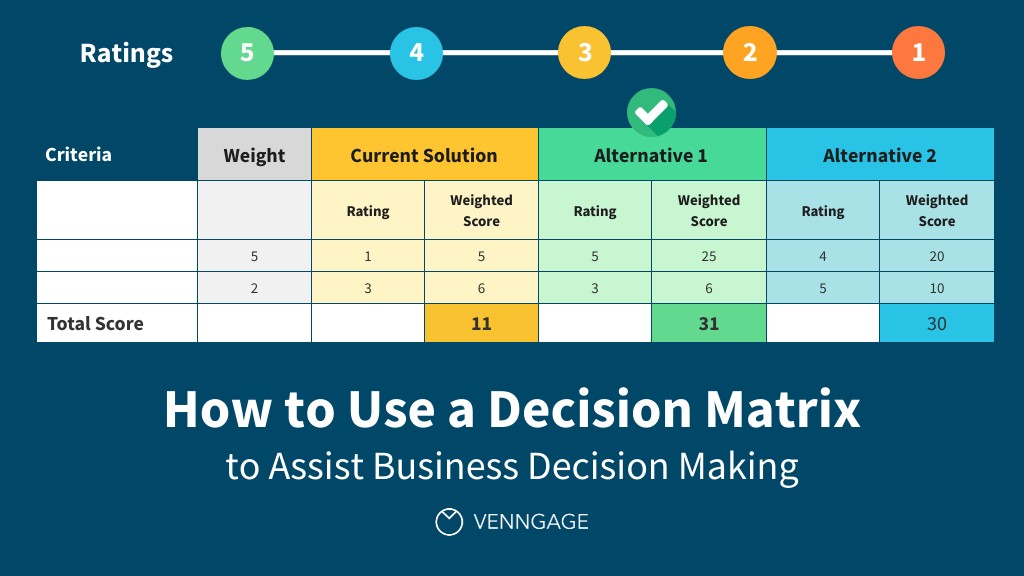
Use this scorecard to objectively compare vendors:
| Criteria | Weight | Vendor A | Vendor B | Vendor C |
|---|---|---|---|---|
| Voice Quality | 15% | /10 | /10 | /10 |
| Conversation AI | 15% | /10 | /10 | /10 |
| Response Latency | 10% | /10 | /10 | /10 |
| Integrations | 10% | /10 | /10 | /10 |
| Customization | 10% | /10 | /10 | /10 |
| Call Features | 10% | /10 | /10 | /10 |
| Reliability | 10% | /10 | /10 | /10 |
| Analytics | 5% | /10 | /10 | /10 |
| Security | 5% | /10 | /10 | /10 |
| Pricing | 5% | /10 | /10 | /10 |
| Support | 3% | /10 | /10 | /10 |
| Scalability | 2% | /10 | /10 | /10 |
| Weighted Score | 100% |
10 Questions to Ask Every Vendor
- Can I hear a live demo with my actual business scripts?
- What's your average response latency under typical load?
- How do you handle calls that require human intervention?
- What integrations are native vs. requiring third-party tools?
- What's your uptime guarantee and what happens if you miss it?
- Can I see references from businesses in my industry?
- What's included in your pricing and what costs extra?
- How long does typical onboarding take?
- What security certifications do you hold?
- Can I cancel or adjust my plan easily if needs change?
Red Flags to Avoid
⚠️ No live demo available - Hiding something about quality
⚠️ Vague pricing - Hidden fees coming your way
⚠️ Long-term contracts required - Limited confidence in retention
⚠️ No customer references - Unproven in real-world use
⚠️ Overpromising capabilities - "Our AI can do anything" usually means nothing well
⚠️ Minimal customization - One-size-fits-all rarely fits anyone
⚠️ Slow support response - Expect the same when things break
Frequently Asked Questions
How much should I expect to pay for a quality AI answering service?
Quality AI answering services typically range from $150-$500/month for small businesses, with pricing based on call volume or flat monthly rates. Be wary of options under $100/month—they often lack the AI sophistication needed for natural conversations.
How long does implementation typically take?
Most quality providers can have you live within 1-2 weeks. This includes script development, integration setup, testing, and training. If a vendor promises same-day setup, the customization depth is likely minimal.
Should I choose a specialized or general-purpose AI answering service?
Industry-specialized providers (healthcare, legal, home services) often deliver better results because they understand your specific terminology, compliance requirements, and customer expectations. General-purpose solutions work fine for straightforward use cases.
What happens when the AI can't handle a call?
Quality services offer multiple fallback options: transfer to a live agent, take a detailed message, schedule a callback, or escalate to your cell phone. Ask specifically how edge cases and frustrated callers are handled.
Can I test before committing to a contract?
Reputable providers offer trials or pilot programs. AiCallAgents offers a $150 trial that's deductible from your first subscription—allowing you to test with real calls before committing.
How do I measure ROI from an AI answering service?
Track these metrics:
- Calls answered that would have been missed
- Appointments booked through the AI
- Leads captured with contact information
- Revenue from those leads converted to customers
- Time saved by your team
Most businesses see positive ROI within the first month when they track these metrics accurately.
Your Next Steps
- Define your requirements using the 12 criteria above
- Shortlist 3-5 vendors that seem to fit
- Request live demos with your actual scripts
- Score each vendor using the evaluation scorecard
- Check references from businesses similar to yours
- Start with a trial before long-term commitment
Ready to evaluate AiCallAgents?
Start your $150 trial and test our AI voice agents with your real customers. See firsthand how natural the conversations are and how many leads you can capture.
Or calculate your potential ROI first to understand the opportunity.
This guide is updated quarterly to reflect the latest AI answering service capabilities and market developments.